
Drones have evolved from being niche gadgets to becoming mainstream tools for photography, videography, recreation, and even professional work. For beginners, choosing the right drone can feel overwhelming because of the wide variety of options, features, and price ranges. This comprehensive guide will walk you through everything you need to know before making your first drone purchase, ensuring that you get the perfect balance between performance, features, and budget.
Why Drones Are A Great Investment For Beginners
Drones are no longer just toys. They are now powerful devices that can be used for capturing aerial photography, learning new skills, exploring creative projects, and even starting professional careers. Whether you want to capture stunning travel footage, practice flying for fun, or explore commercial opportunities, drones offer a blend of entertainment and functionality that few gadgets can match.
Types Of Drones Beginners Should Consider
When choosing a drone, it’s crucial to understand the different categories available:
-
Toy Drones
- Lightweight and affordable.
- Ideal for children and first-time flyers.
- Limited flight time (5–10 minutes) and range.
- Basic controls without advanced GPS features.
-
Camera Drones
- Designed for photography and videography.
- Equipped with built-in or attachable cameras.
- Feature GPS stability, obstacle avoidance, and intelligent flight modes.
- Range from entry-level (for hobbyists) to professional models (for filmmakers).
-
Racing Drones
- Built for speed and agility.
- Popular among drone racing enthusiasts.
- Require advanced flying skills.
- Not recommended for absolute beginners, but a great choice for those who enjoy competitive flying.
-
Professional Drones
- High-quality cameras with 4K–8K resolution.
- Long flight times, advanced stabilization, and precise GPS tracking.
- Expensive but suitable for professionals in filmmaking, surveying, or real estate.
Key Features Beginners Must Look For In A Drone
-
Flight Time
Most beginner drones offer 10–30 minutes of flight time per battery. Look for models with extra batteries or quick-charging capabilities to maximize your flying experience.
-
Camera Quality
- Entry-level drones often come with 1080p HD cameras.
- Mid-range drones feature 2K or 4K resolution with stabilization.
- Professional drones offer gimbal-mounted cameras for ultra-smooth footage.
-
GPS And Navigation
GPS-enabled drones allow for stable hovering, automatic return-to-home functions, and precise positioning. For beginners, GPS support reduces the risk of losing your drone.
-
Obstacle Avoidance
Advanced drones include sensors that detect and avoid obstacles, making them safer for beginners who are still learning to control their drone.
-
Flight Range
- Entry-level drones: 50–100 meters.
- Mid-range drones: 500 meters to 2 km.
- Professional drones: up to 10 km or more.
Choose a drone that suits your intended usage—whether it’s backyard practice or capturing scenic landscapes.
-
Controller and Connectivity
Most drones are controlled using a dedicated remote controller or smartphone app. Look for controllers with intuitive designs, ergonomic grips, and live video transmission for real-time monitoring.
Best Beginner Drone Recommendations
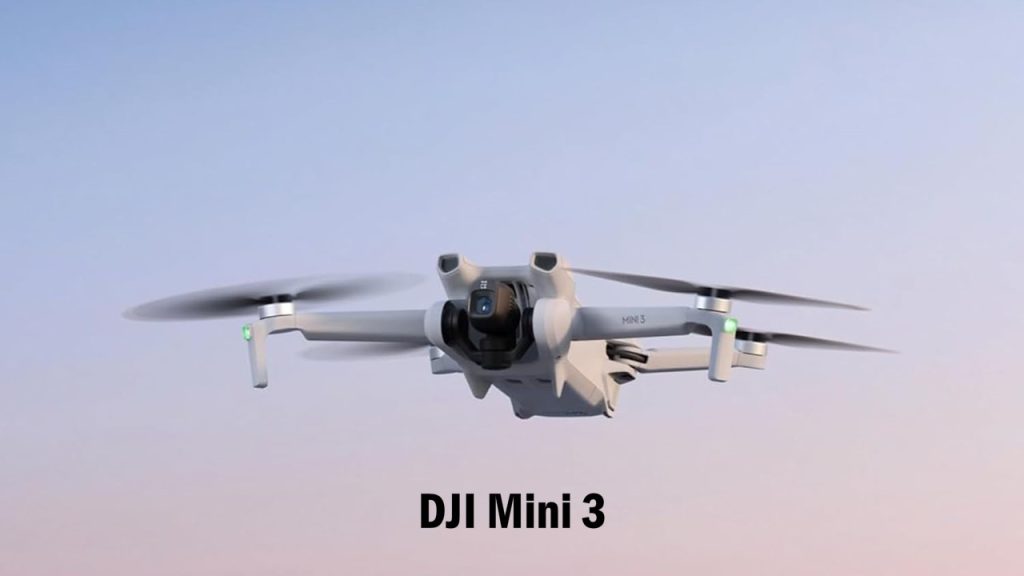
DJI Mini 3 – Compact Power For Beginners
When it comes to beginner-friendly drones, the DJI Mini 3 stands out as one of the most powerful yet approachable models.
Key Features
Lightweight Design (Under 249g): No need for FAA registration in most regions, making it hassle-free for beginners.
4K HDR Camera: Offers crisp video quality perfect for budding content creators.
Extended Battery Life (Up to 38 minutes): Longer flight sessions for practice without frequent recharging.
True Vertical Shooting: Ideal for social media platforms like Instagram or TikTok.
Obstacle Sensing (Downward): Provides safe flying even in tight environments.
Performance For Beginners
The DJI Mini 3 is remarkably stable in flight, thanks to GPS-based positioning and intuitive controls. For beginners, stability is critical, and this drone ensures smooth flights even in light winds. With automatic takeoff and landing functions, the learning curve is reduced significantly.
Pros
- Lightweight and portable
- High-quality 4K camera
- Beginner-friendly features such as auto-hover
- Excellent flight time
Cons
- Limited obstacle avoidance (only downward sensors)
- Slightly higher price compared to other entry-level drones
Budget Considerations For Beginner Drones
- Under $100: Basic toy drones for practice.
- $100–$400: Entry-level camera drones with decent quality.
- $400–$800: Mid-range drones with 4K video and smart features.
- $800+: Advanced drones with professional-grade cameras and sensors.
When starting, it’s often wise to begin with a budget-friendly model to practice flying before upgrading to premium drones.
Drone Laws And Regulations Beginners Must Know
Before flying, it’s essential to understand local drone regulations:
- Register your drone if required by your country’s aviation authority.
- Fly below 400 feet (120 meters).
- Keep drones within visual line of sight.
- Avoid restricted zones like airports, government buildings, and crowded events.
- Respect privacy by avoiding filming private properties without permission.
Essential Drone Accessories For Beginners
Investing in the right accessories enhances your flying experience:
- Extra batteries for extended flight sessions.
- Propeller guards for safe indoor flying.
- Carrying case for portability and protection.
- Landing pad for safe takeoffs and landings.
- ND filters for professional-quality video.
Tips For First-Time Drone Flyers
- Start flying in open spaces away from obstacles.
- Learn basic maneuvers before attempting advanced shots.
- Keep flights short and controlled to avoid crashes.
- Practice using beginner flight modes such as headless mode or altitude hold.
- Always perform a pre-flight check (battery level, propellers, GPS signal).
Conclusion
Choosing your first drone can be an exciting yet challenging task. By considering your budget, skill level, and intended use, you can make an informed decision and find a drone that provides the perfect introduction to the world of aerial flying. With the right combination of features such as camera quality, GPS navigation, obstacle avoidance, and battery life, beginners can enjoy a safe and rewarding experience from their very first flight.
FAQs
Q: What is the best drone for a complete beginner?
The DJI Mini 3 is highly recommended for beginners due to its ease of use and excellent camera.
Q: Do I need a license to fly a drone?
In many countries, drones above a certain weight require registration, and commercial use often needs a license.
Q: Can I fly my drone at night?
Only if local laws permit, and usually you’ll need proper lighting on your drone.
Q: How do I avoid crashing my drone?
Use obstacle avoidance features, start in open spaces, and practice basic maneuvers first.
Q: How much should I spend on my first drone?
Beginners should start with drones in the $100–$400 range before investing in professional models.