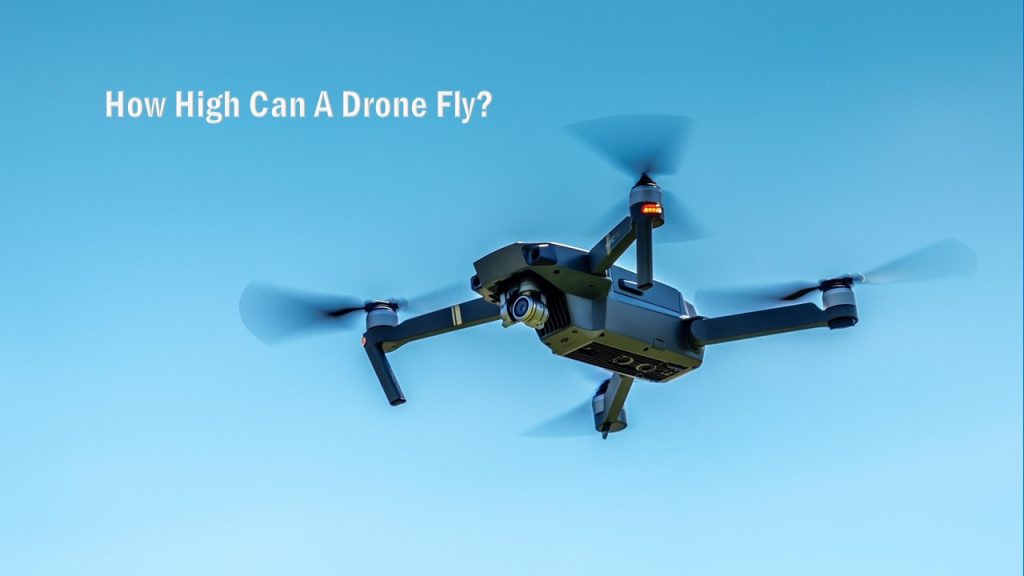
Understanding how high a drone can fly is essential for safe operations, compliance with aviation laws, and maximizing the performance of your drone. As drone technology continues to advance, both hobbyists and professionals are pushing the limits of altitude capabilities. In this comprehensive guide, we explore maximum drone altitude, legal restrictions, performance factors, and expert tips to help you fly confidently and responsibly.
Understanding Drone Altitude Limits
Modern drones are capable of reaching impressive heights thanks to advancements in battery power, motor efficiency, and aerodynamics. However, altitude performance is influenced by two key factors:
- Legal altitude limits set by aviation authorities
- Technical altitude limits based on drone hardware capabilities
To fully answer the question “How high can a drone fly?”, we must examine both.
Legal Limits: What Aviation Authorities Allow
FAA Altitude Restrictions
In the United States, the Federal Aviation Administration (FAA) restricts drone flight to 400 feet (120 meters) above ground level for recreational and commercial drone pilots. This limit is designed to prevent interference with manned aircraft.
Exceptions include:
- Flying near a structure where you may fly 400 feet above the structure’s uppermost limit
- Operating with a special FAA waiver
Global Drone Altitude Rules
Different countries enforce different altitude restrictions:
| Country | Maximum Legal Altitude |
| USA | 400 ft (120 m) |
| UK | 400 ft (120 m) |
| Canada | 400 ft (122 m) |
| Australia | 400 ft (120 m) |
| EU | 120 m |
Despite powerful hardware, pilots must operate within local regulations to avoid fines, confiscation, or safety risks.
Technical Limits: How High A Drone Can Physically Fly
While the law limits you to around 400 feet, the physical capabilities of drones are far greater.
Consumer Drone Altitude Range
Most consumer drones like DJI models can fly between:
- 10,000 ft – 19,000 ft (3,000 m – 6,000 m)
- Some specialized models exceed 20,000 ft (6,100 m)
However, these altitudes are not for normal flight—they are performance indicators used during engineering tests.
Why Drones Struggle At High Altitudes
Even though the motors are strong, drones face several scientific barriers:
-
Reduced Air Density
Higher altitudes mean thinner air, which reduces:
- Lift on propellers
- Motor efficiency
- Flight stability
-
Battery Drain
At high altitudes, batteries drain rapidly due to:
- Increased motor workload
- Lower temperatures
- Reduced chemical efficiency
-
Weak GPS and Signal Loss
Beyond certain heights, communication signals weaken, which increases the risk of:
- Flyaways
- Loss of control
- Return-to-home (RTH) failure
Record-Breaking Drone Altitude Achievements
Although consumer pilots must follow strict limits, extreme enthusiasts and researchers have documented incredible flights.
Highest Documented Drone Flight
Some specialized drones and custom-built units have reached:
- 30,000 ft (9,144 m) — nearly as high as a jetliner
- 33,000 ft (10,000 m) in experimental tests
These flights required:
- Modified motors
- Propeller upgrades
- High-voltage batteries
- Reinforced frames
Such experiments are not legal for typical drone operation and should only take place in controlled environments.
Maximum Altitude Of Popular Drone Models
DJI Mavic Series
- Max Service Ceiling: 16,404 ft (5,000 m)
- Suitable for mountain flying and high-elevation areas
DJI Mini Series
- Lightweight design
- Max Service Ceiling: Approx. 13,123 ft (4,000 m)
DJI Phantom Series
- Max Service Ceiling: 19,685 ft (6,000 m)
Autel EVO Series
- Max Service Ceiling: Around 22,965 ft (7,000 m) on high-end models
These numbers reflect engineering ceilings, not permissible flight altitude.
Why Service Ceiling Matters For Pilots
The service ceiling is the maximum altitude above sea level the drone can operate. This is important for pilots flying in mountainous regions.
Example:
- If you fly at a mountain elevation of 10,000 ft, and your drone’s service ceiling is 16,000 ft, your drone can climb an additional 6,000 ft from your takeoff point.
This explains why drones are popular among:
- Mountain explorers
- Landscape photographers
- Search and rescue crews in high-altitude terrain
How To Safely Maximize Drone Altitude
While we must respect legal limits, we can optimize altitude performance within the law.
-
Use Fresh, Fully Charged Batteries
Higher altitude requires more energy, so always start with:
- 100% charged battery
- Good battery health
- Proper temperature conditions
-
Calibrate All Sensors Before Takeoff
To ensure stable flight at higher altitudes:
- Calibrate IMU
- Check compass
- Inspect propellers
-
Fly in Optimal Weather
Strong winds become more dangerous at higher altitudes. Fly only when:
- Wind is mild
- Visibility is high
- No rain or freezing conditions
-
Maintain Visual Line of Sight
Even if your drone can technically fly high, pilots must:
- Keep eyes on the drone
- Use an observer when needed
-
Understand RTH Limits
Return-to-home may fail in:
- Strong winds
- Low battery
- High altitudes
Always set a safe RTH altitude—not too high to drain battery, not too low to risk collision.
Why You Should Never Disable Altitude Limits
Some pilots attempt to hack firmware to remove altitude restrictions. This is extremely dangerous because:
- You risk collision with manned aircraft
- Loss of control and irreversible flyaways
- Legal penalties and fines
- Voiding manufacturer warranty
Altitude limits exist to protect both pilots and the airspace.
Professional Scenarios Requiring High-Altitude Drones
Higher altitude capability is essential for certain industries:
Aerial Mapping and Surveying
High elevation allows:
- Larger mapping coverage
- Greater imaging efficiency
Search and Rescue
Teams rely on drones at high mountain elevations where helicopters cannot fly safely.
Scientific Research
Drones assist with:
- Atmospheric data collection
- Wildlife monitoring
- Glacial surveillance
Final Thoughts
The true answer to “How high can a drone fly?” depends on whether you mean legally or technically:
- Legally: Most countries limit drone altitude to 400 ft (120 m)
- Technically: Modern drones can reach 15,000–20,000 ft, while specialized models exceed 30,000 ft
Respecting regulations ensures safety and long-term enjoyment of the hobby. With proper planning, equipment, and knowledge, drone pilots can maximize altitude performance while staying within the law.
FAQs
Q: How high can a drone legally fly?
Most countries allow a maximum of 400 feet (120 meters) for drone operations.
Q: Can drones fly higher than airplanes?
Technically yes, but legally no. Airplanes fly far higher than legal drone limits.
Q: What happens if a drone flies too high?
You may lose signal, drain your battery quickly, or violate aviation laws.
Q: Do altitude limits vary by drone model?
Yes, each drone has a service ceiling, but the legal limit stays the same.
Q: Can weather affect how high a drone flies?
Absolutely. Wind, temperature, and humidity all influence altitude performance.